
Innovative Orthodontic Techniques: Shaping the Future of Patient-Centric Care
Published on: Feb 23, 2025
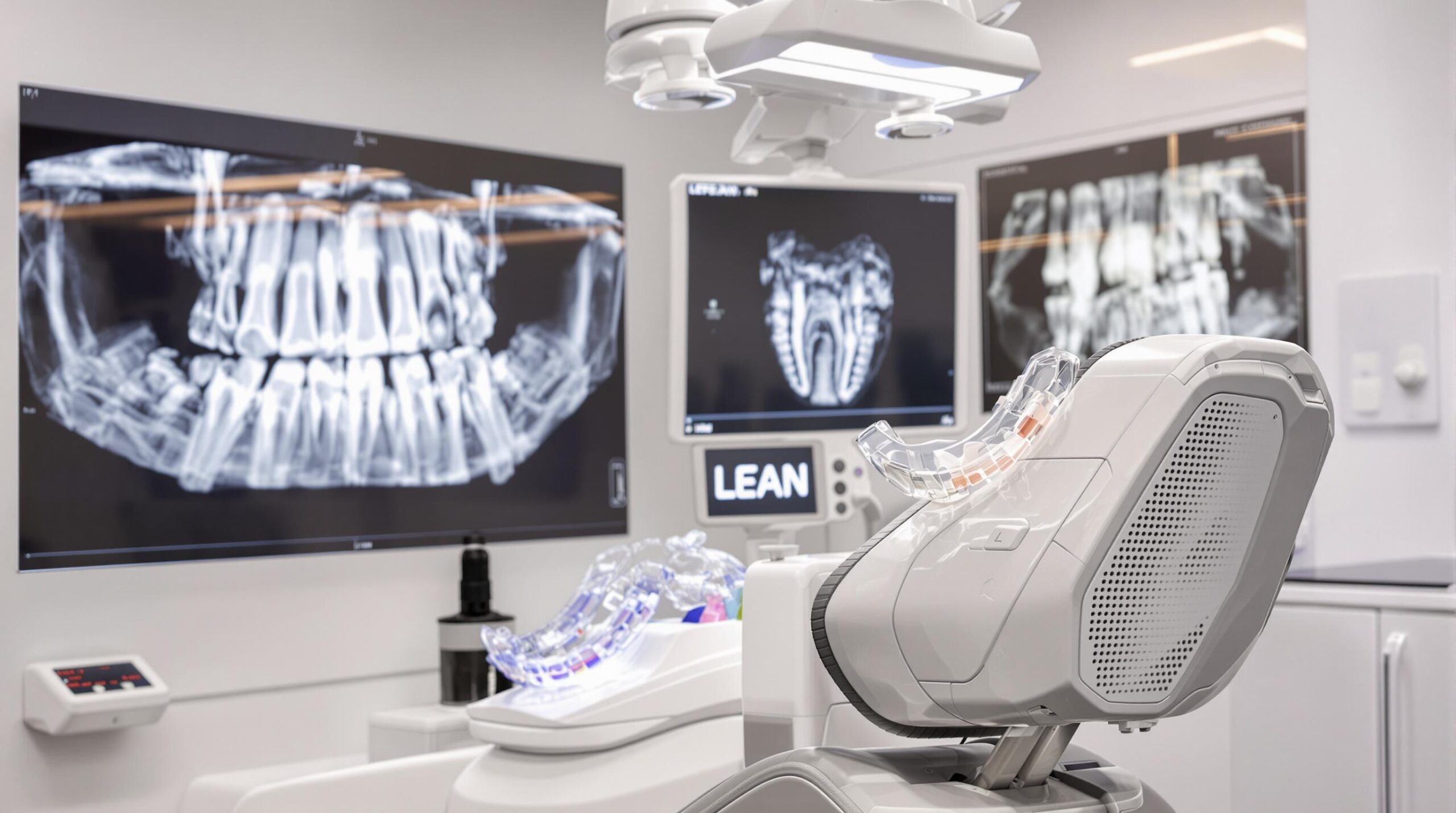
Exploring the Effects of Innovative Techniques in Modern Orthodontics
Navigating through the nuanced world of orthodontics, a recent study brings to light some intriguing developments that could potentiate significant shifts in clinical practices. This analysis, penned by Dr. Dr. Martin Baxmann, aims to unravel the foundational elements and clinical ramifications of this study while also delving into its methodological integrity.
Study Design: A Critical Examination
In any research, the foundation upon which data rests is as crucial as the outcome it projects. The study in question employed a randomized controlled trial (RCT) methodology, a gold standard in clinical research due to its structured approach in minimizing bias. However, the absence of a proper blinding mechanism poses a compelling question regarding its potential to skew results—particularly in self-reported measures and clinical assessments.
Confounders, often the stealthy saboteurs in clinical research, seem to have been vigilantly considered with robust multivariable analysis. Yet, the selection criteria appeared somewhat narrow. While this enhances internal validity, its repercussions on external applicability could hamper the translation of findings into generalized practice. Statistical analysis, commendably executed with appropriate rigorousness, provides a sound footing for the conclusions drawn.
Unveiling Clinical Insights
Now, shifting from the methodological to the substantive scientific insights, the study illuminates some transformative techniques in orthodontic practice that resonate well with current clinical needs. It assessed the efficacy of a novel aligner system compared to traditional fixed braces, a topic of significant import given the increasing patient inclination towards less visible orthodontic appliances.
- The innovative aligner system significantly reduced treatment time while maintaining comparable levels of alignment efficacy.
- Patient satisfaction was substantially higher for the aligner group, indicating an evolving landscape in perceptions and expectations.
For practitioners, this heralds a compelling case for broadening treatment offerings, particularly with patients who prioritize aesthetics and reduced treatment durations. However, this should be balanced with considerations of patient compliance, a critical determinant in aligner success, which the study acknowledged but perhaps understated in practical implications.
Another aspect of interest is the patient satisfaction metric, which was substantially higher for the aligner group. This suggests an evolving landscape in patient perceptions and expectations, where comfort and convenience are becoming pivotal factors. Thus, there exists a lucrative opportunity for orthodontists to adapt and cater to these preferences, potentially enhancing practice growth and patient loyalty.
Concluding Thoughts
In summary, while the study offers a promising vista into more patient-friendly orthodontic treatments, the clinical community should remain prudent regarding its application. The constraints in generalizability and the understated variables like compliance underscore the need for continued diligence. The exploration of this study serves as a beacon for future research and a challenge for orthodontic professionals to strategically integrate these innovative tools into their practice.
Source: Original Research Article
References:
➡️ View Dr. Baxmann‘s Books