

Building a Culture of Excellence: Why “Thank You” is the Ultimate Lean Tool
Published on: Jul 5, 2026
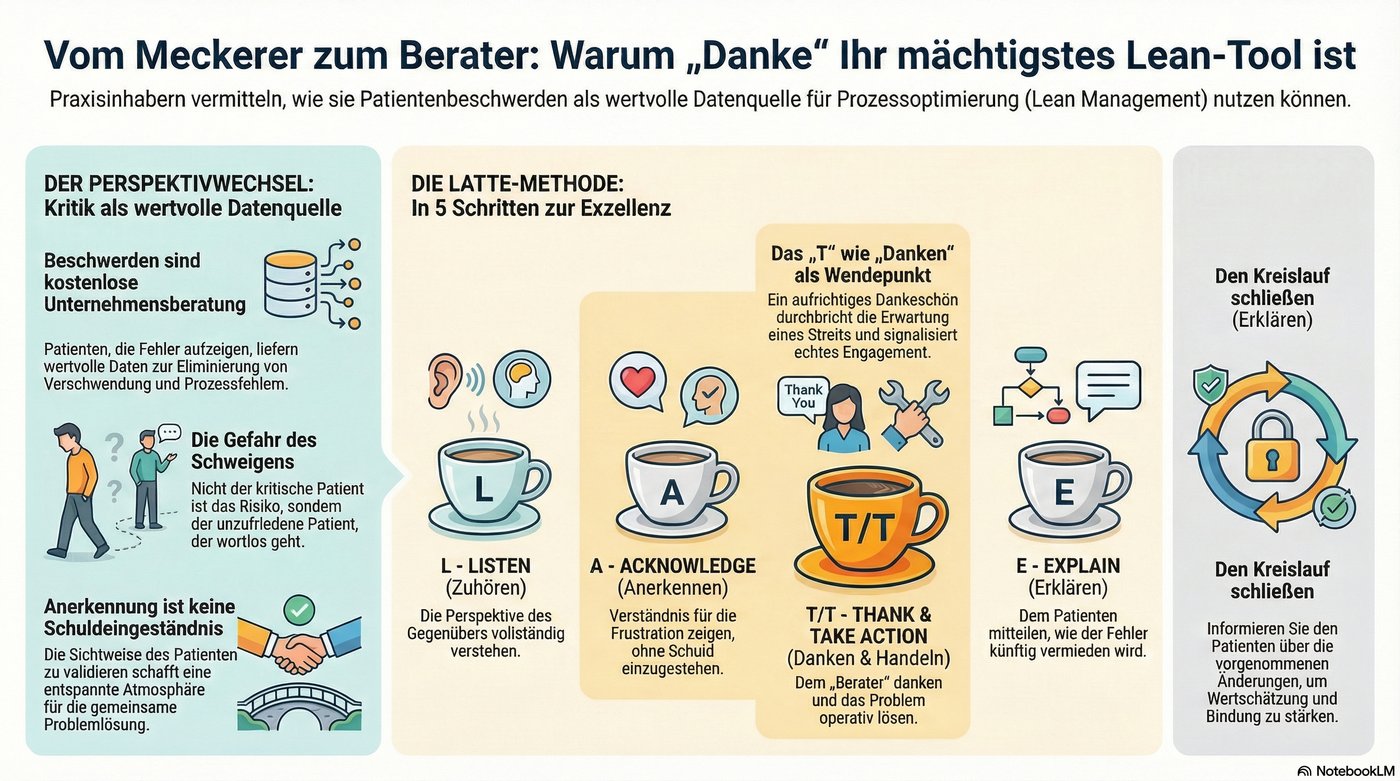
The Hidden Value of Patient Complaints
Many practice owners view complaints as a sign of failure. In reality, a complaint is a “hidden treasure” for anyone interested in lean management in dentistry. If a patient or staff member is brave enough to point out a flaw, they are giving you the exact data you need to eliminate waste and improve your patient journey in orthodontics.
The most dangerous situation for a clinic is not the unhappy patient who speaks up; it is the unhappy patient who leaves silently. Without their feedback, your system remains broken, and your reputation slowly bleeds. Recognizing this is the first step toward becoming a proactive leader and entrepreneur.
Acknowledgment vs. Agreement in Leadership
A common hurdle in dental leadership is the fear that acknowledging a complaint means admitting medical or professional negligence. It does not. Acknowledgment simply means validating the other person’s reality. When you say, “I hear your concern and I understand why this is frustrating for you,” you lower the emotional temperature of the room.
This allows the conversation to move from an emotional battleground to a problem-solving session. By using the LATTE framework—Listen, Acknowledge, Thank, Take Action, Explain—you demonstrate that you are a leader who values clinical and operational truth over ego.
The Power of the “Thank You”
The turning point in any difficult conversation is the “Thank you.” When you genuinely thank someone for bringing a flaw to your attention, you disrupt their expectation of a fight. This gratitude signals that your practice is committed to practice efficiency and high performance. It turns a “complainer” into a “consultant.”
In a lean practice, we are constantly hunting for waste. A patient who points out a confusing video intro or a scheduling bottleneck is doing the work of a quality management consultant for free. Embracing this mindset shifts the entire culture of your dental team performance.
Closing the Loop: The “Explain” Phase
The final step of effective error management is the explanation. Too often, we fix a problem in the background but forget to tell the person who raised it. Closing the loop is essential for building long-term loyalty. When you go back to a patient and say, “Because of your feedback, we have changed our protocol to ensure this doesn’t happen again,” you make them feel like a stakeholder in your clinic.
This level of personal service recovery is what separates a good practice from an elite one. It shows that your clinic is a living, breathing entity that values its patients and is dedicated to constant evolution.
Conclusion: A Proactive Future
By adopting a structured system like the LATTE method, you remove the stress and unpredictability of managing people. You create an environment where errors are seen as data points for improvement rather than reasons for blame. This shift is what allows a practice to stay high-performing without sacrificing the well-being of the doctor or the team. Start thanking your critics today—they are the ones who will help you build your best practice.